

Beads of Hope, Acts of Service, A New Beginning
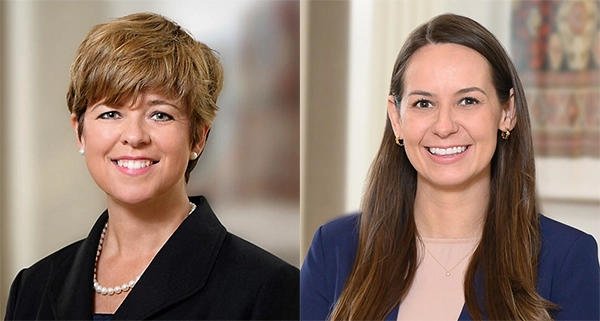
By: Angela Rauber & Sasha Ledney, Hill Ward Henderson
D.L. came into the delinquency system after charges involving her stepfather. Her home life was turbulent, and it was clear that the incident was connected to significant mental health challenges. Because the case was complex and extra support was needed, the judge referred her to Crossroads so she would have consistent advocates by her side.
At Crossroads’ first court date with her, the family dynamics were immediately apparent. Her stepmother spoke about her in ways that were harsh and discouraging. It likely reflected long‑standing conflict, but it was still painful to hear and it was not supportive. The moment showed how deeply mental health struggles can affect a young person and the people around them. As the case progressed, it became clear that she needed a more specialized setting, and she was later transferred to Juvenile Mental Health Court with the opportunity to earn the dismissal of her charges.
When we first began working with D.L., she was focused on one thing: finishing her volunteer hours. She checked in with us every few days to remind us that she needed to get them done. She wanted to complete the terms of her agreement as quickly as possible, and it was clear she saw the hours as something to get through rather than something that could help her grow. She also struggled to understand the impact of her actions. While waiting for court one day, she told us, “I think about it all the time. There are a lot of things I could have done where I wouldn’t have gotten caught.”
We wanted to help her see herself, and her choices, in a different light. So, we created two volunteer experiences that connected to who she was and what mattered to her.
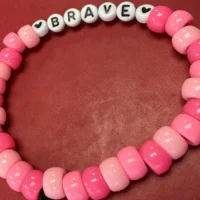
The first experience grew out of something personal. D.L. loved designing and making bracelets, and she had lost her grandmother to breast cancer. She decided to create bracelets for people undergoing cancer treatment and for their families. She took full ownership of the project. She researched awareness colors, chose messages of encouragement, and made fifty bracelets that carried words of hope. She delivered them to a local cancer center and was proud of what she had created.
The second experience placed her in direct service to others. We brought her to the Portico in downtown Tampa, where volunteers serve breakfast to individuals experiencing homelessness. It is a place where dignity matters as much as the meal. D.L. stayed busy the entire time. She talked with guests, joked with them, and made sure everyone felt seen. On the drive home, she told us she felt like she had made a difference and that she wanted to come back, even though her required hours were already complete.
Those moments opened the door to deeper reflection. We talked about how the way we treat others can leave a lasting mark, sometimes one that stays with someone for years. Then we returned to the choices that brought her into the system. This time, she understood. She could see how her actions had affected others, and she was more open to the idea that her choices ripple outward in ways she might not immediately see.
At her graduation, she was praised by the judge, her public defender, the State, and by us for the heart she put into her work. She also made a special bracelet for the judge. She had quietly found out the judge’s favorite colors and used those beads to create something just for her. It was a small gesture, but it showed how far she had come. Our hope is that she remembers that feeling. She experienced what it is like to receive positive attention rather than negative attention, and we hope she keeps choosing that path.
